


Description
Crystal Meth: Effects, Risks, Signs of Addiction, and Treatment Options
What Is Crystal Meth?
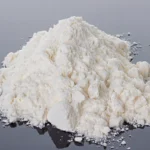
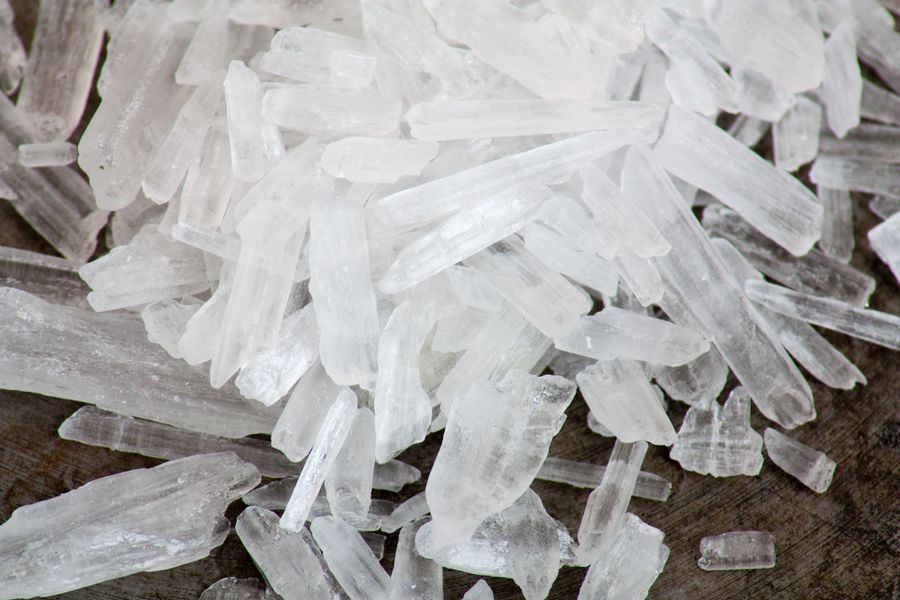
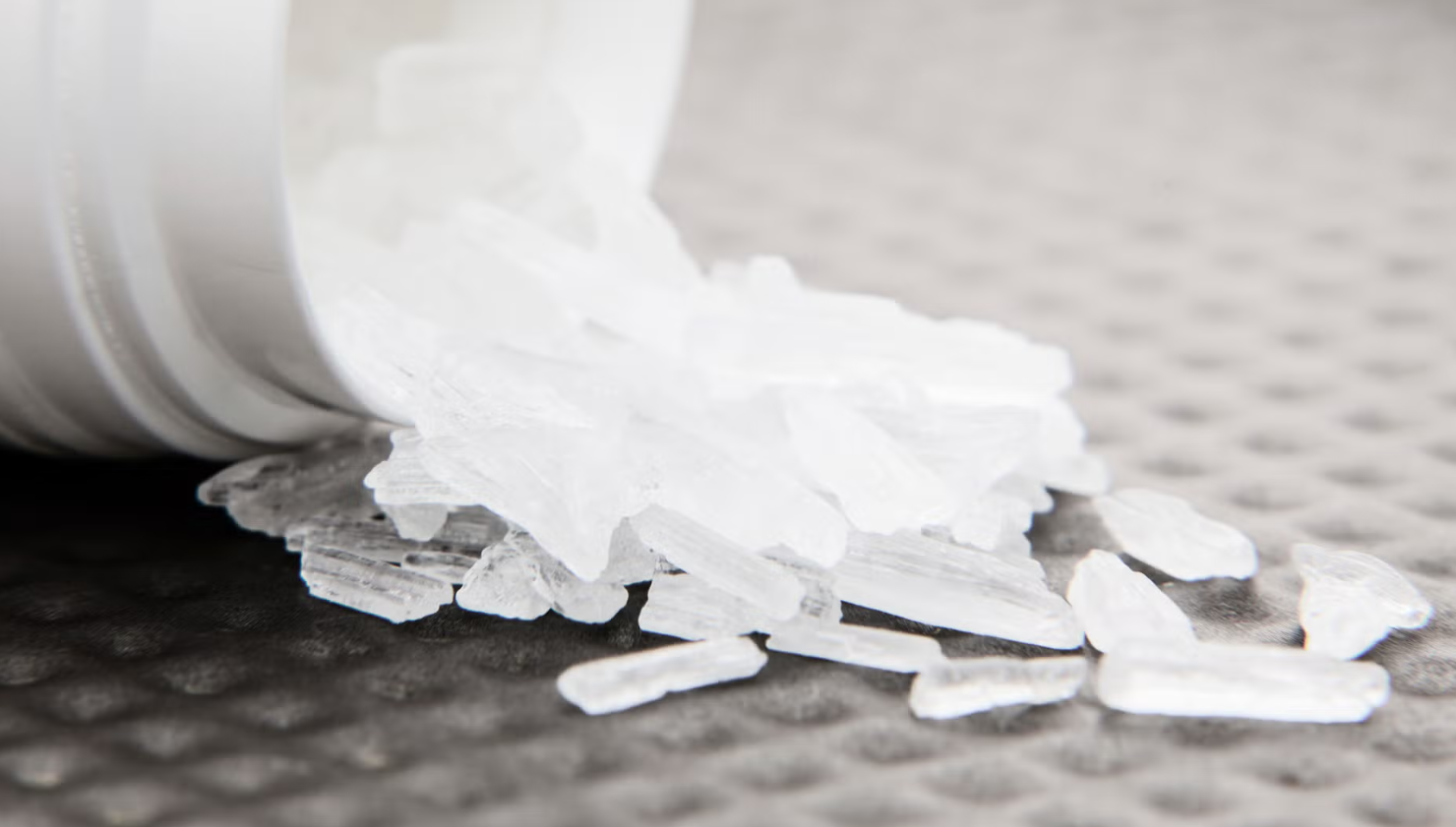
Crystal meth, short for crystal methamphetamine, is a powerful and highly addictive stimulant that affects the central nervous system. It typically appears as clear or bluish-white crystals resembling glass fragments or shiny rocks. Crystal meth is often smoked, but it can also be swallowed, snorted, or injected.
Because of its potent effects and high potential for addiction, crystal meth remains a major public health concern worldwide. Understanding how it works, its risks, and available treatment options can help individuals make informed decisions and seek help when needed.
How Crystal Meth Works
Crystal meth increases the release of dopamine, a neurotransmitter associated with pleasure, reward, and motivation. The drug also prevents dopamine from being recycled efficiently, leading to intense feelings of euphoria and increased energy.
These effects can occur rapidly, especially when the drug is smoked or injected. However, the intense high is often followed by a severe crash, which can encourage repeated use and increase the risk of addiction.
Common Effects of Crystal Meth
The short-term effects of crystal meth may include:
- Increased energy and alertness
- Elevated mood and feelings of euphoria
- Reduced appetite
- Increased heart rate
- Higher blood pressure
- Rapid breathing
- Increased confidence or talkativeness
- Difficulty sleeping
While some users initially seek these effects, the drug can quickly lead to harmful physical and psychological consequences.
Short-Term Risks
Even a single use of crystal meth can produce dangerous side effects, including:
- Anxiety and agitation
- Paranoia
- Aggressive behavior
- Irregular heartbeat
- Hyperthermia (dangerously high body temperature)
- Seizures
- Cardiovascular complications
The risk of overdose increases when crystal meth is used in large amounts or combined with other substances.
Long-Term Effects of Crystal Meth Use
Chronic crystal meth use can have serious consequences for both physical and mental health.
Physical Health Effects
Long-term use may contribute to:
- Significant weight loss
- Severe dental problems (“meth mouth”)
- Skin sores and infections
- Increased risk of stroke
- Heart disease
- Damage to blood vessels
- Weakened immune function
Mental Health Effects
Long-term crystal meth use can also cause:
- Chronic anxiety
- Depression
- Memory problems
- Difficulty concentrating
- Hallucinations
- Delusions
- Psychosis
In some cases, psychological symptoms may persist even after a person stops using the drug.
Signs of Crystal Meth Addiction
Recognizing the signs of methamphetamine addiction is important for early intervention.
Common warning signs include:
- Intense cravings for the drug
- Continued use despite negative consequences
- Neglecting responsibilities at work, school, or home
- Financial problems related to drug use
- Social withdrawal
- Extreme mood swings
- Changes in sleep patterns
- Declining personal hygiene
Addiction can develop rapidly, making professional support crucial for recovery.
Crystal Meth Withdrawal Symptoms
When a person stops using crystal meth, withdrawal symptoms may occur. These can include:
- Fatigue
- Depression
- Increased appetite
- Anxiety
- Irritability
- Sleep disturbances
- Strong drug cravings
Withdrawal symptoms can vary in severity depending on the duration and intensity of use.
Treatment for Crystal Meth Addiction
Recovery from crystal meth addiction is possible with appropriate treatment and support.
Common treatment approaches include:
Behavioral Therapy
Behavioral therapies help individuals identify triggers, develop coping strategies, and build healthier habits.
Counseling
Individual, group, and family counseling can provide emotional support and address underlying issues contributing to substance use.
Support Groups
Peer support groups can help individuals maintain long-term recovery and reduce the risk of relapse.
Medical and Mental Health Care
Many people benefit from comprehensive care that addresses both substance use and co-occurring mental health conditions.
Preventing Crystal Meth Abuse
Prevention strategies may include:
- Education about the risks of methamphetamine use
- Early intervention programs
- Mental health support
- Strong family and community involvement
- Access to substance use treatment resources
Increasing awareness can help reduce the impact of crystal meth on individuals, families, and communities.
Frequently Asked Questions
Is crystal meth addictive?
Yes. Crystal meth is considered one of the most addictive illicit stimulants due to its powerful effects on dopamine levels in the brain.
What does crystal meth look like?
Crystal meth usually appears as clear, white, or bluish crystalline fragments that resemble glass shards or rock candy.
Can people recover from crystal meth addiction?
Yes. Many individuals successfully recover through treatment, counseling, support groups, and long-term recovery planning.
How dangerous is crystal meth?
Crystal meth can cause serious physical and mental health problems, including addiction, cardiovascular complications, psychosis, and overdose.
Final Thoughts
Crystal meth is a highly addictive stimulant that can have severe consequences for physical health, mental well-being, and overall quality of life. Understanding the effects, risks, warning signs, and treatment options is essential for prevention and recovery. Individuals struggling with methamphetamine use can benefit from professional treatment, support networks, and evidence-based recovery programs.
Reviews
There are no reviews yet.