
Description
N,N-Dimethyltryptamine (DMT) – Scientific-Grade Tryptamine Compound
CAS Number: 61-50-7
Molecular Formula: C₁₂H₁₆N₂
Molecular Weight: 188.27 g/mol
Purity: ≥98% (HPLC verified)
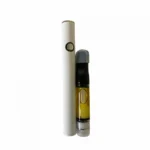
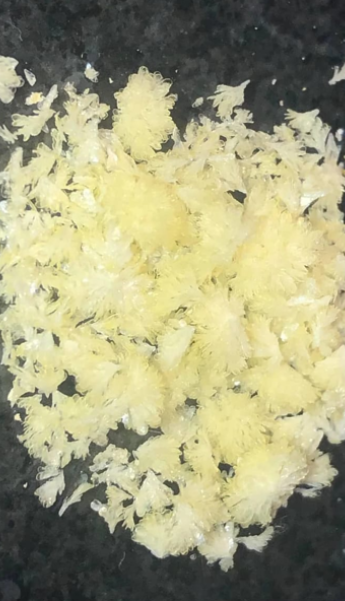
Appearance: White to off-white crystalline powder
Category: Tryptamine Alkaloid | Indole Alkaloid | Research Chemical
What Is DMT?
N,N-Dimethyltryptamine, widely abbreviated as DMT, is a naturally occurring tryptamine alkaloid found throughout the plant kingdom and in trace amounts in mammalian biology, including humans. First synthesized in 1931 by Canadian chemist Richard Manske, DMT has since become one of the most studied endogenous psychedelic compounds in modern neuroscience and pharmacology.
As a structural analog of serotonin and melatonin, DMT interacts primarily with the serotonergic system, making it a subject of significant interest in research related to consciousness, receptor pharmacology, and neurochemistry. It belongs to the broader class of indole alkaloids and shares a core tryptamine backbone with compounds such as psilocybin, bufotenin, and 5-MeO-DMT.
Molecular Structure & Chemical Properties
DMT’s molecular architecture features a bicyclic indole ring system with a dimethylamino ethyl side chain — a configuration that enables high lipophilicity and rapid central nervous system (CNS) penetration.
| Property | Value |
|---|---|
| IUPAC Name | 2-(1H-indol-3-yl)-N,N-dimethylethanamine |
| CAS Number | 61-50-7 |
| Molecular Formula | C₁₂H₁₆N₂ |
| Molecular Weight | 188.27 g/mol |
| Melting Point | 44–46 °C |
| Solubility | Soluble in ethanol, DMSO, methanol |
| Storage | Cool, dry, dark environment; –20°C recommended |
| Form | Freebase or HCl salt |
Biological Occurrence & Endogenous Status
One of the most scientifically compelling aspects of N,N-Dimethyltryptamine is its status as an endogenous compound. Research has confirmed trace concentrations of DMT in human blood, urine, and cerebrospinal fluid. The biosynthetic pathway involves the enzymatic conversion of tryptophan to tryptamine, followed by N-methylation via the enzyme indolethylamine-N-methyltransferase (INMT).
This endogenous presence has fueled ongoing research into DMT’s potential physiological roles, including proposed functions in dream states, near-death experiences, and stress response modulation — though these hypotheses remain subjects of active scientific investigation and debate.
Key biological research areas include:
- Sigma-1 receptor agonism and its neuroprotective implications
- Serotonin receptor (5-HT2A, 5-HT2C) binding affinity studies
- Trace amine-associated receptor (TAAR) interactions
- Pineal gland synthesis hypothesis research
Pharmacological Profile
DMT exerts its primary pharmacological activity through agonism at serotonin receptors, particularly 5-HT2A — the same receptor implicated in the action of classical psychedelics. In vitro and in vivo studies have demonstrated the following receptor binding activities:
- 5-HT2A agonist (primary mechanism)
- 5-HT2C partial agonist
- Sigma-1 receptor agonist
- MAO substrate (rapidly metabolized by monoamine oxidase A and B)
The compound’s rapid metabolism by MAO enzymes limits its oral bioavailability unless co-administered with MAO inhibitors — a principle underlying the preparation of ayahuasca, the Amazonian botanical brew in which DMT-containing plants are combined with MAO-inhibiting beta-carboline alkaloids.
Research Applications
DMT (N,N-Dimethyltryptamine) is supplied strictly for laboratory research, analytical reference, and scientific investigation. Documented research applications include:
- Receptor binding assays — Used as a radioligand competitor in 5-HT2A binding studies
- Neurochemical research — Investigating serotonergic modulation and tryptamine metabolism
- Mass spectrometry calibration — Reference standard in forensic and toxicological LC-MS/MS methods
- Biosynthesis pathway studies — INMT enzyme activity characterization
- Comparative pharmacology — Structural comparison with psilocin, serotonin, and bufotenin
- Consciousness research — Academic and clinical investigations into psychedelic pharmacology (where legally permitted)
Quality & Analytical Specifications
Our DMT research compound is manufactured under strict quality control protocols to ensure suitability for sensitive scientific work.
- Purity: ≥98% by HPLC
- Identity confirmed: ¹H NMR, ¹³C NMR, MS
- Residual solvents: Meets ICH Q3C guidelines
- Certificate of Analysis (CoA): Available for each batch
- Supplied with: Full spectral data, SDS (Safety Data Sheet)
Safety Information
DMT is a potent bioactive compound and must be handled with appropriate laboratory safety precautions:
- Personal Protective Equipment (PPE): Gloves, lab coat, and safety goggles required
- Ventilation: Use in a fume hood or well-ventilated laboratory setting
- Storage: Store at –20°C in a sealed, moisture-proof container away from light
- Handling: Avoid inhalation of dust or vapors; wash hands thoroughly after handling
- Refer to the Safety Data Sheet (SDS) for complete hazard classifications and first-aid measures. DMT for sale Detroit Michigan.
Legal & Compliance Notice
Important: N,N-Dimethyltryptamine (DMT) is a Schedule I controlled substance in the United States under the Controlled Substances Act, and is similarly restricted in many other jurisdictions. This product is sold exclusively for legitimate scientific research purposes and only to qualified researchers, licensed institutions, and authorized laboratories in jurisdictions where such research is legally permitted. Purchasers bear full responsibility for compliance with all applicable local, national, and international laws and regulations.
Reviews
There are no reviews yet.