
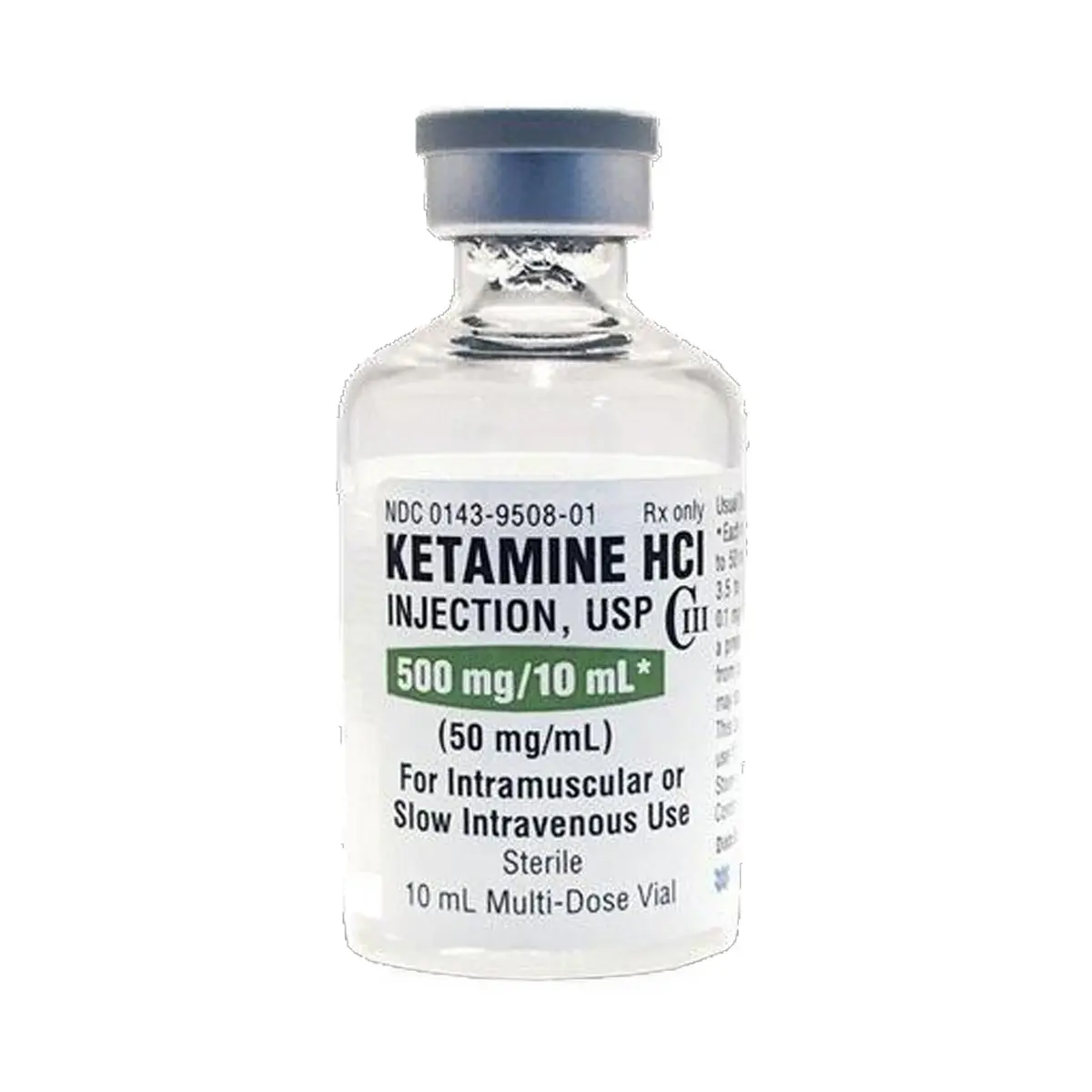
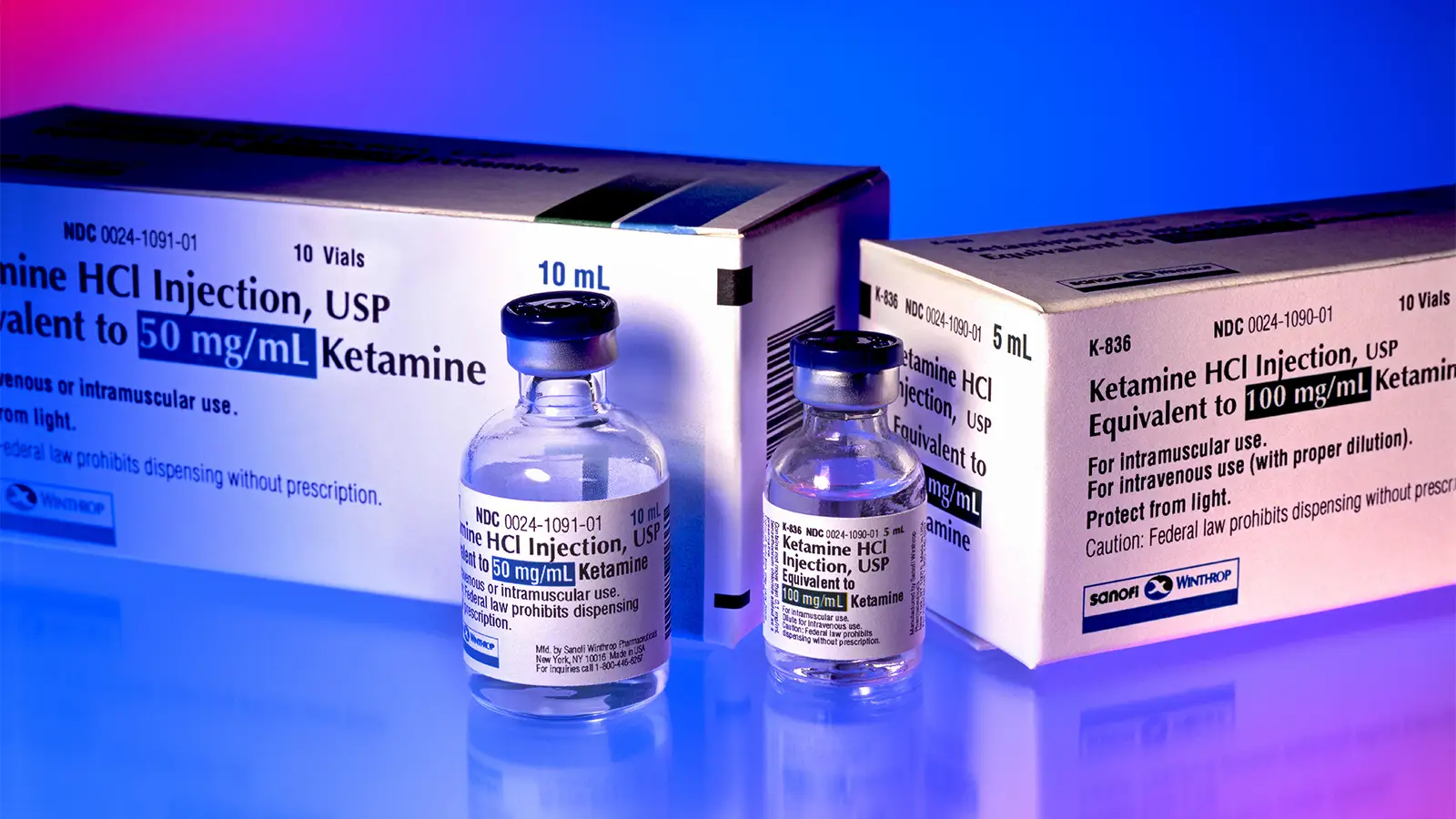
Description
Ketamine Hydrochloride — A Breakthrough in Anesthesia and Mental Health Treatment
Ketamine (ketamine hydrochloride) is a rapid-acting dissociative anesthetic and analgesic agent widely used in medical, veterinary, and psychiatric settings. First approved by the U.S. FDA in 1970, ketamine has evolved from a battlefield anesthetic to a clinically recognized treatment for treatment-resistant depression (TRD), chronic pain, post-traumatic stress disorder (PTSD), and major depressive disorder (MDD).
Today, ketamine is celebrated in modern medicine as one of the most versatile and fast-acting therapeutic agents available — offering relief in hours rather than weeks, unlike traditional antidepressants.
What Is Ketamine?
Ketamine is an NMDA (N-methyl-D-aspartate) receptor antagonist that works by blocking glutamate activity in the brain — a mechanism entirely distinct from SSRIs, SNRIs, or other conventional psychiatric medications. This unique pharmacological profile makes it especially effective for patients who have not responded to standard treatments.
Ketamine is available in several formulations:
- Intravenous (IV) Ketamine Infusion — The gold standard for ketamine therapy, administered in controlled clinical settings
- Intranasal Esketamine (Spravato®) — FDA-approved nasal spray specifically for treatment-resistant depression
- Intramuscular (IM) Injection — Used for pain management and anesthesia induction
- Oral / Sublingual Ketamine — Compounded formulations prescribed for at-home use under medical supervision
Key Medical Uses of Ketamine
1. Treatment-Resistant Depression (TRD)
Ketamine is widely regarded as the most significant breakthrough in depression treatment in decades. For patients who have tried two or more antidepressants without adequate relief, ketamine infusion therapy offers rapid symptom reduction — often within 24 to 48 hours of the first treatment.
2. Anesthesia & Surgical Sedation
Ketamine has been a trusted anesthetic agent for over 50 years. It maintains respiratory function and cardiovascular stability, making it a preferred choice in emergency medicine, pediatric anesthesia, and field surgery.
3. Chronic Pain Management
Ketamine’s powerful analgesic properties make it effective for managing complex regional pain syndrome (CRPS), fibromyalgia, neuropathic pain, and cancer-related pain unresponsive to conventional opioids.
4. PTSD and Anxiety Disorders
Clinical trials and research studies have shown that ketamine may significantly reduce symptoms of PTSD, generalized anxiety disorder (GAD), and obsessive-compulsive disorder (OCD) — often after just a single infusion session.
5. Suicidal Ideation — Rapid Crisis Intervention
Ketamine has demonstrated the ability to rapidly reduce acute suicidal ideation, making it an invaluable tool in psychiatric emergency care. Its fast onset of action addresses a critical gap in mental health crisis intervention.
How Ketamine Works — The Science
Unlike traditional antidepressants that target serotonin or dopamine pathways, ketamine acts on the glutamatergic system — the brain’s most abundant excitatory neurotransmitter network.
By temporarily blocking NMDA receptors, ketamine:
- Triggers a surge in BDNF (brain-derived neurotrophic factor) — a key protein in neuron growth and plasticity
- Rapidly restores synaptic connections lost due to chronic stress and depression
- Promotes neuroplasticity, allowing the brain to form new, healthier thought patterns
- Produces anti-inflammatory effects in the central nervous system
This mechanism explains why ketamine works so rapidly compared to SSRIs, which may take 4–8 weeks to produce noticeable effects.
Ketamine Infusion Therapy — What to Expect
A standard ketamine infusion protocol for depression or chronic pain typically involves:
- 6 infusions administered over 2–3 weeks (induction phase)
- Each session lasts approximately 40–60 minutes
- Treatment is delivered in a certified ketamine clinic under the supervision of a licensed anesthesiologist or psychiatrist
- Patients remain awake but in a relaxed, dissociative state
- Booster infusions may be recommended every 4–8 weeks for maintenance
Most patients report feeling a significant lift in mood, reduction in hopelessness, and improved mental clarity within 24 hours following the first infusion.
Ketamine Dosage Information
⚠️ Dosage is strictly determined by a licensed medical professional based on individual patient needs, weight, diagnosis, and treatment goals.
| Indication | Route | Typical Dose Range |
|---|---|---|
| Depression (TRD) | IV Infusion | 0.5 mg/kg over 40 min |
| Anesthesia Induction | IV | 1–4.5 mg/kg |
| Pain Management | IV/IM | 0.1–0.5 mg/kg |
| PTSD | IV Infusion | 0.5 mg/kg (protocol-based) |
| Esketamine (Spravato®) | Intranasal | 56–84 mg per session |
Safety Profile & Side Effects
Ketamine is considered safe when administered in a controlled medical environment by qualified professionals. Common side effects include:
- Dissociation — A temporary feeling of detachment from one’s surroundings (expected and usually mild)
- Nausea or dizziness — Typically short-lived and manageable
- Elevated blood pressure — Monitored and managed during infusion
- Vivid dreams or perceptual changes — Usually resolved within hours of treatment
- Fatigue — Common post-infusion; patients should arrange transportation
Serious adverse events are rare when ketamine is used therapeutically in supervised settings. It is not recommended for individuals with a history of psychosis, uncontrolled hypertension, or active substance use disorder without careful clinical evaluation.
Why Ketamine Is Gaining Mainstream Medical Acceptance
- FDA-Approved — Esketamine (Spravato®) approved for TRD and MDD with suicidal ideation
- Fast-Acting — Results in hours vs. weeks with traditional antidepressants
- Clinically Proven — Extensive peer-reviewed research supports efficacy
- Non-Opioid Pain Relief — An important alternative in the opioid crisis era
- Expanding Insurance Coverage — Many providers now cover FDA-approved ketamine treatments
- WHO Essential Medicine — Listed on the World Health Organization’s List of Essential Medicines
Frequently Asked Questions (FAQ)
Is ketamine legal? Yes. Ketamine is a Schedule III controlled substance in the United States, legally used in medical and clinical settings under a valid prescription and licensed administration.
How long do the effects of ketamine therapy last? Effects from a full ketamine infusion series typically last 2–3 months, with many patients achieving sustained remission with periodic booster sessions.
Is ketamine therapy covered by insurance? IV ketamine infusions for depression are often not covered by insurance, though this is changing. FDA-approved esketamine (Spravato®) is frequently covered under major insurance plans for eligible patients.
How do I find a ketamine clinic near me? Look for board-certified anesthesiologists or psychiatrists offering ketamine infusion therapy. Always verify credentials and ensure the clinic follows established clinical protocols.
Purchasing ketamine online New York? Only compounded oral or sublingual ketamine prescribed by a licensed provider is appropriate for home use. IV and IM ketamine must always be administered in a clinical setting.
Inder chand –
Very good i am so impressed with the quality of my order.