



Description
What is LSD? Effects, Risks, and Everything You Need to Know
LSD — lysergic acid diethylamide — is one of the most potent psychedelic substances known to science. Classified as a hallucinogen, it produces profound and often overwhelming changes in perception, thought, emotion, and a person’s sense of reality.
While LSD has gained renewed public interest in discussions around microdosing and psychedelic-assisted therapy, unsupervised or recreational LSD use carries serious risks to both physical and mental health. This guide covers everything you need to know about LSD — from its origins and effects to its risks and how to seek help.
What Does LSD Stand For?
LSD stands for lysergic acid diethylamide. It is a semi-synthetic compound derived from ergot, a fungus that grows on rye and other grains. LSD is also commonly known by street names such as acid, tabs, blotter, and dots.
The History and Origins of LSD
LSD was first synthesised in 1938 by Swiss chemist Albert Hofmann at the Sandoz pharmaceutical laboratories in Basel, Switzerland. Hofmann was researching ergot derivatives when he noticed unusual agitation in his test subjects.
In 1943, Hofmann accidentally absorbed a small amount of the compound through his skin and reported experiencing vivid, kaleidoscopic visions — the world’s first recorded LSD trip. He later confirmed the effects by deliberately self-administering the substance.
LSD gained widespread cultural prominence during the 1960s counterculture movement, spreading rapidly across the United States and the wider Western world. It became closely associated with music, art, and anti-establishment movements of the era, before being classified as an illegal substance in most countries by the early 1970s.
How is LSD Consumed?
LSD is most commonly consumed in three forms:
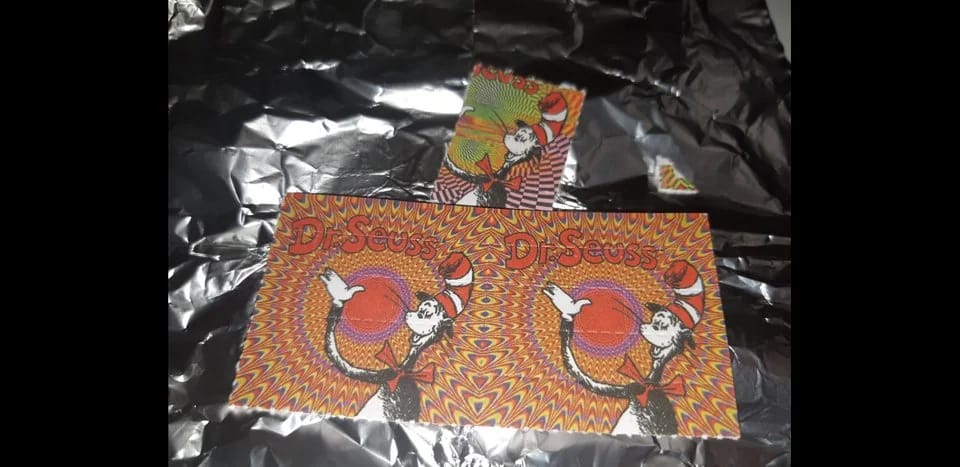
- Blotter paper — Small squares of absorbent paper soaked in liquid LSD. This is the most common form and is typically placed under the tongue for rapid absorption.
- Liquid drops — Buy LSD in liquid form, usually applied to a sugar cube or piece of paper before ingestion.
- Tablets or microdots — Small coloured pills taken orally or dissolved sublingually.
Regardless of the method, the substance enters the bloodstream and crosses the blood-brain barrier, where it binds to serotonin receptors and produces its characteristic hallucinogenic effects.
What Are the Effects of LSD?
How Long Does LSD Take to Kick In?
LSD effects typically begin within 30 to 90 minutes of ingestion and can last anywhere from 6 to 12 hours, depending on the dose and the individual.
Short-Term Effects of LSD
The short-term effects of LSD vary from person to person but commonly include:
- Vivid visual hallucinations
- Intensified colours and distorted shapes
- Moving or breathing patterns in static objects
- Rapid and unpredictable mood changes
- Heightened emotional sensitivity
- Distorted perception of time and space
- Feelings of euphoria or, conversely, intense anxiety
- Flashbacks or lingering perceptual disturbances
The intensity of these effects depends heavily on dosage, set (mindset), and setting (environment) — three factors widely recognised in harm reduction circles as critical to the nature of a psychedelic experience.
Long-Term Effects of LSD
With repeated use, LSD can contribute to:
- Persistent psychological distress
- Social withdrawal and isolation
- Dependency-like patterns of use
- Hallucinogen Persisting Perception Disorder (HPPD) — a condition where visual disturbances continue long after use has stopped
LSD obtained outside clinical or regulated settings is also frequently adulterated with other synthetic substances, which can unpredictably amplify side effects and increase overall risk.
What Are the Risks of LSD?
Physical Risks of LSD
While LSD is not considered physically addictive in the traditional sense, it is not without physical risks:
- Elevated blood pressure and increased heart rate
- Nausea and loss of appetite
- Muscle tremors and physical tension
- Risk of accidents due to impaired judgment and distorted perception
Psychological Risks of LSD
The psychological risks of LSD are among the most serious. These include:
- Intense anxiety and acute panic attacks during the experience
- Temporary psychotic episodes (“bad trips”)
- Triggering or accelerating the onset of underlying mental health conditions
- Long-term psychological distress with repeated use
People with a personal or family history of schizophrenia, bipolar disorder, or other psychiatric conditions face significantly elevated risks. LSD may trigger or worsen these conditions in vulnerable individuals.
Social and Legal Risks of LSD
Beyond health, LSD use can have significant social and legal consequences:
- Damaged personal and professional relationships
- Declining academic or work performance
- Loss of motivation and interest in daily life
- Criminal prosecution — LSD is illegal in the vast majority of countries
In France, LSD is classified as a narcotic under French law. Possession or use can result in fines of up to €3,750 and imprisonment of up to one year. Distribution or manufacture carries far heavier penalties.
LSD Harm Reduction: How to Stay Safer
If you or someone you know is going to use LSD, harm reduction information can significantly lower the associated risks.
1. Educate Yourself First
Understanding what LSD is, how it works, and what to expect is the single most effective harm reduction tool. Consult reliable sources such as harm reduction organisations, medical professionals, or specialist websites before any exposure.
Do not use LSD if you:
- Are feeling sad, anxious, exhausted, or emotionally unstable
- Have a personal or family history of mental health conditions
- Are taking antidepressants, lithium, or other psychiatric medications
2. Start Low and Go Slow
LSD can take up to 45–90 minutes to take effect. Never take more before the initial dose has had time to work. Misjudging this timeline is one of the most common causes of overwhelming experiences.
3. Choose a Safe Environment
Set and setting play a crucial role in the LSD experience. Buy LSD Choose a safe, familiar, and comfortable environment, and ensure you are with people you trust — ideally someone sober who can provide calm, grounded support if needed.
4. Avoid Dangerous Combinations
LSD should never be combined with other substances. Particularly dangerous combinations include:
- Ketamine
- MDMA (ecstasy)
- Cannabis
- Cocaine
- Psilocybin mushrooms
- GHB
- Lithium (extremely dangerous — risk of seizures)
Mixing LSD with tobacco, nicotine products, or CBD is also discouraged. Drug interactions involving LSD can be highly unpredictable and dangerous.
How to Get Help for LSD Use
If you or someone close to you is struggling with the consequences of repeated LSD use, professional support is available and effective.
The first step is to contact an addiction specialist, a general practitioner, or a dedicated substance support centre. In France, the CJC (Consultation Jeunes Consommateurs) offers free, confidential support for young people affected by substance use.
Recovery takes time, but with the right support it is entirely achievable. Treatment typically combines:
- Psychotherapy — to address underlying psychological factors
- Psychiatric follow-up — to monitor and manage any mental health conditions
- Specialist inpatient or outpatient care — where necessary, support within a dedicated psychiatric facility
Frequently Asked Questions About LSD
Is LSD addictive? LSD is not considered physically addictive, but psychological dependence and compulsive patterns of use can develop with repeated consumption.
Can you overdose on LSD? A fatal overdose from LSD alone is extremely rare, but consuming very high doses can result in severe psychological episodes, dangerous behaviour, and serious harm.
How long does LSD stay in your system? LSD is typically detectable in urine for up to 2–4 days after use, and in hair follicles for up to 90 days.
What is a bad trip on LSD? A bad trip refers to a highly distressing LSD experience characterised by overwhelming fear, paranoia, confusion, and disturbing hallucinations. It can be triggered by high doses, a difficult emotional state, or an unsettling environment.
Key Takeaways
LSD is a powerful hallucinogen with effects that are unpredictable, long-lasting, and heavily influenced by mindset and environment.
It carries significant physical, psychological, social, and legal risks.
Harm reduction — through education, environment, and avoiding combinations — can meaningfully lower these risks.
Anyone struggling with LSD use should seek professional support without delay.
Reviews
There are no reviews yet.