
Description
Psilocybe Cubensis (Golden Caps): Identification, Effects & Clinical Research (2026 Guide)
Psilocybe cubensis, commonly known as Golden Caps or “gold tops,” is the world’s most widely recognized psilocybin-containing mushroom species. First formally documented by mycologist Franklin Sumner Earle in 1906, this species (family Hymenogastraceae) remains the primary focus of both amateur mycology and modern psychiatric research due to its potent psychoactive compounds: psilocybin and psilocin.
What Are Golden Caps Mushrooms?
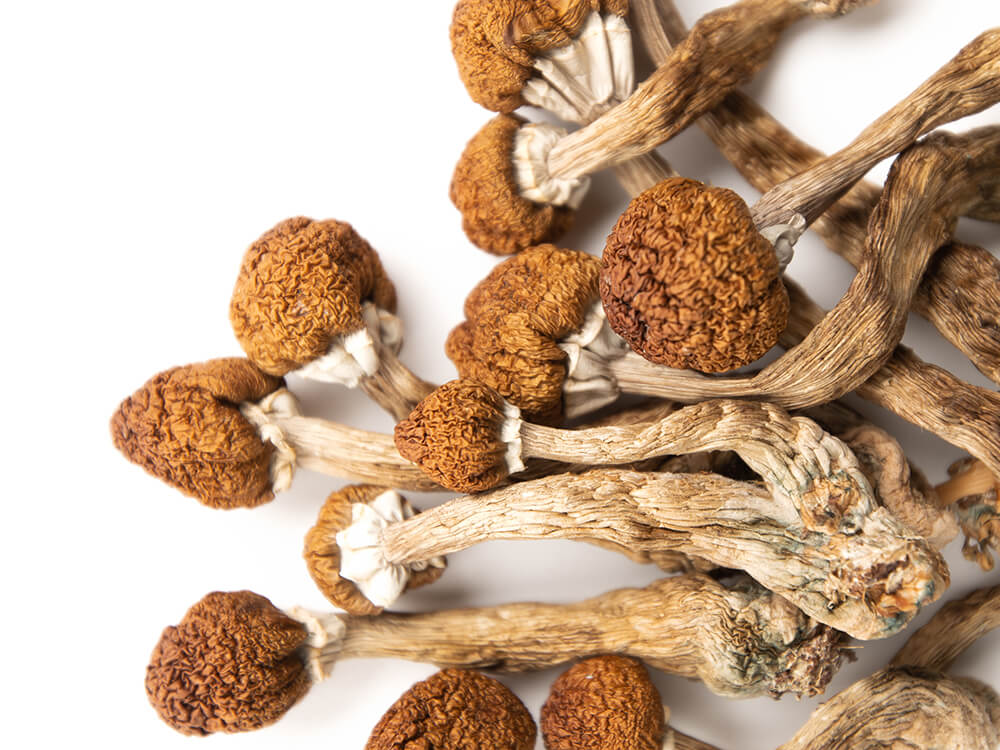
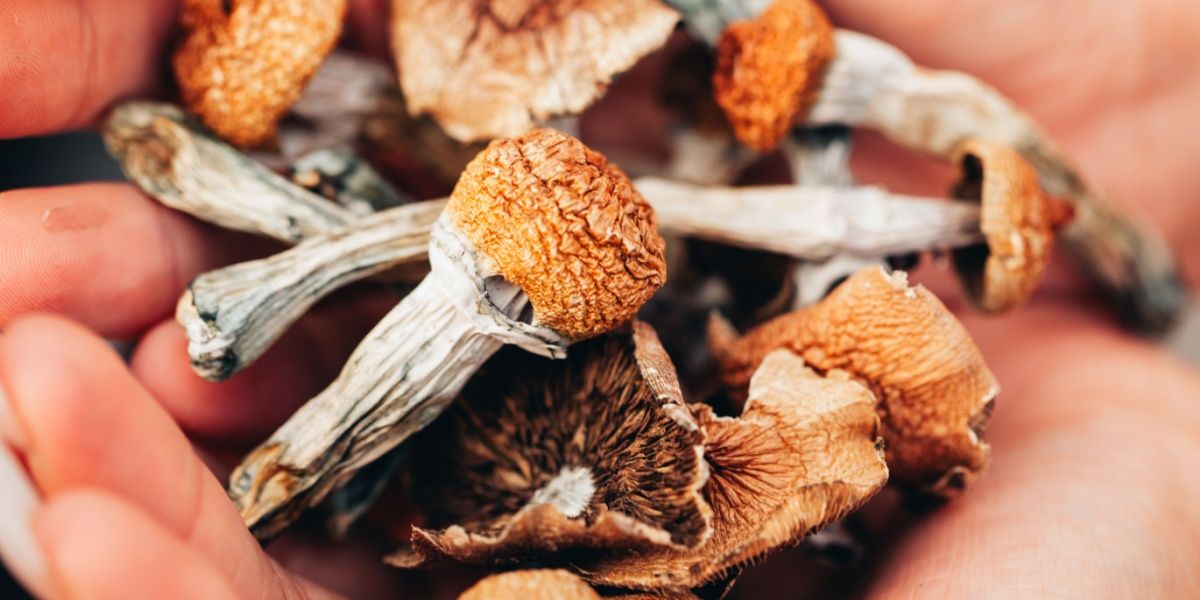
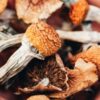
Golden Caps are a tropical to subtropical species that thrive in humid, dung-enriched grasslands. Unlike other psychedelic fungi, P. cubensis is distinguished by three key features: a golden-to-caramel cap, blue-bruising flesh (caused by psilocin oxidation), and a dark purple-brown spore print. These characteristics make it one of the few psychoactive species considered relatively safe for visual identification by trained researchers.
Natural Habitat & Distribution (Where Do They Grow?)
As a coprophilous (dung-loving) fungus, Psilocybe cubensis primarily fruits on the manure of large herbivores—cattle, water buffalo, and horses. In 2026, wild populations are most commonly reported in:
-
USA Gulf Coast: Texas, Louisiana, Florida (after heavy summer rains)
-
Central America: Mexico, Colombia, Cuba
-
Southeast Asia: Thailand, Cambodia, India
-
Oceania: Northern Australia & parts of Brazil
Optimal fruiting conditions occur at 23–28°C (73–82°F) with high humidity, typically following spring to autumn rainfall.
Morphological Characteristics (How to Identify)
For mycologists and foragers, accurate identification is critical. Below is the definitive morphological profile of Psilocybe cubensis:
| Feature | Description |
|---|---|
| Cap (Pileus) | 1.5–8 cm wide; golden-brown to pale yellow; dark center umbo; translucent striations when moist. |
| Gills (Lamellae) | Adnate to adnexed; grayish-white (young) → deep purple-brown (mature). |
| Stem (Stipe) | 4–15 cm tall; white to yellowish; hollow at maturity; features a persistent white annulus (ring). |
| Flesh | White; turns blue/green within minutes when damaged (diagnostic feature). |
| Spore Print | Dark purplish-brown. Spores: 11.5–17 × 8–11 µm (subellipsoid). |
| Odor | Farinaceous (freshly ground flour or cucumber). |
Active Compounds & Pharmacology (How It Works)
The primary psychoactive constituents are psilocybin (4-phosphoryloxy-N,N-dimethyltryptamine) and its active metabolite psilocin. Upon ingestion, alkaline phosphatase enzymes rapidly dephosphorylate psilocybin into psilocin.
Mechanism of Action: Psilocin acts as a partial agonist at serotonin 5-HT2A receptors in the prefrontal cortex. This binding disrupts the default mode network (DMN), leading to altered perception, ego dissolution, and neuroplasticity. Current clinical models (2025–2026) suggest this mechanism directly enables psilocybin-assisted therapy for:
-
Treatment-resistant depression (TRD)
-
End-of-life anxiety (palliative care)
-
PTSD and substance use disorders (alcohol/tobacco)
Potency note: Dried P. cubensis typically contains 0.14% to 0.42% psilocybin by dry weight, varying significantly by strain and growing conditions.
Ethnomycological & Cultural History
The ceremonial use of Psilocybe cubensis predates modern science by over 3,000 years. Pre-Columbian “mushroom stones” (circa 1000 BCE) found across Guatemala and southern Mexico depict anthropomorphic fungi, confirming ritual use.
Modern Western awareness stems from the Mazatec curandera María Sabina, who introduced R. Gordon Wasson to the velada ceremony in the 1950s. Wasson’s 1957 Life magazine article triggered a scientific revolution, leading directly to Albert Hofmann’s isolation and synthesis of psilocybin in 1958.
Frequently Asked Questions (SEO Snippet Optimization)
Is Psilocybe cubensis the same as “magic mushrooms”?
Yes, but technically it is only one of over 180 psilocybin-containing fungal species. However, P. cubensis is the most commonly cultivated and consumed species, which is why most people use the terms interchangeably.
Why do Golden Caps turn blue when bruised?
The blue bruising is an oxidative reaction. When the mushroom’s cell walls are damaged, psilocin is exposed to air and enzymes, converting into blue-hued quinoid compounds. This is a key safety identifier for psychoactive Psilocybe species.
Is psilocybin research legal in 2026?
It depends on jurisdiction.
-
USA: Federally Schedule I, but research licenses (DEA) are available. Spores (for microscopy) are legal in most states except California, Idaho, and Georgia.
-
UK: Home Office Schedule 1 license required.
-
Australia: Authorized prescribers (psychiatrists) can use psilocybin for TRD/PTSD since July 2023.
-
Canada: Special Access Program (SAP) allows therapist-directed use.
Before Purchasing Golden Caps psilocybin mushroom online Oakland California. Always verify local laws if it is legal to possess psilocybin mushrooms in your area.
What does Psilocybe cubensis smell and taste like?
Fresh specimens have a farinaceous (starchy/floury) odor. The taste is mild to slightly bitter. A strong chemical or rancid smell indicates decomposition or a different (potentially toxic) species.
Summary: Why Golden Caps Dominate Psychedelic Science
Psilocybe cubensis (Golden Caps) remains the gold standard for both amateur mycology and clinical research due to three factors:
-
Ease of cultivation on simple substrates.
-
Reliable morphological identifiers (blue bruising, purple-brown spores).
-
Well-characterized pharmacology targeting 5-HT2A receptors.
Purchasing Golden Caps psilocybin mushroom online Oakland California. As of 2026, ongoing Phase III clinical trials continue to validate its safety profile, moving P. cubensis derivatives closer to FDA breakthrough therapy designation.
Wils Gaston –
Fast shipping! Package arrived a little earlier than expected 🙂 .
Fredric Hudson –
It has really a great and helpful since i started trying these out.
Caitlyn Miller –
Hurrah, that’s what I was seeking for.